Wednesday, 22 June 2011
Giant Centipede
Another one of god's strange creations is the giant centipede. It can grow some 30 cms long, and may eat bats or mice if hungry... Its venom is also toxic to humans, probably not fatal, though. In any case, I would certainly not risk a bite if I could avoid it...

Monday, 6 June 2011
Blackadder Meets Cromwell
I like the idea behind Blackadder. The incarnation of a cynical hero in different historical periods who gets more cunning over the centuries while he also gets lower in his social position, which triggers him even more to refrain to his scheming skills. Lots of sarcastic humour... Blackadder: The Cavalier Years was produced after the third series in 1988. While I could have chosen a good number of other segments from the series that I like very much, I have decided to post this particular one for several reasons. First because it is half the length of a regular episode (maybe due to the fact that it is a special episode made as part of Comic Relief), and does not need particular knowledge of previous parts (though none of the other episodes really does). But perhaps more importantly, I have chosen it because it is also related to another thing that I find an intriguing topic independently of the series: Oliver Cromwell and the English Civil Wars. The Cavalier Years tells the story of how Blackadder managed through the most difficult event of the period, the execution of King Charles I. Interestingly, there are not that many feature films which focus on this conflict, the most notable exception is perhaps "Cromwell" (1970). This short of course finds a way to blend the events with satire while preserving some characteristics of the historical figures. Well, it certainly does not forget the mention the warts of Oliver Cromwell, for one thing...
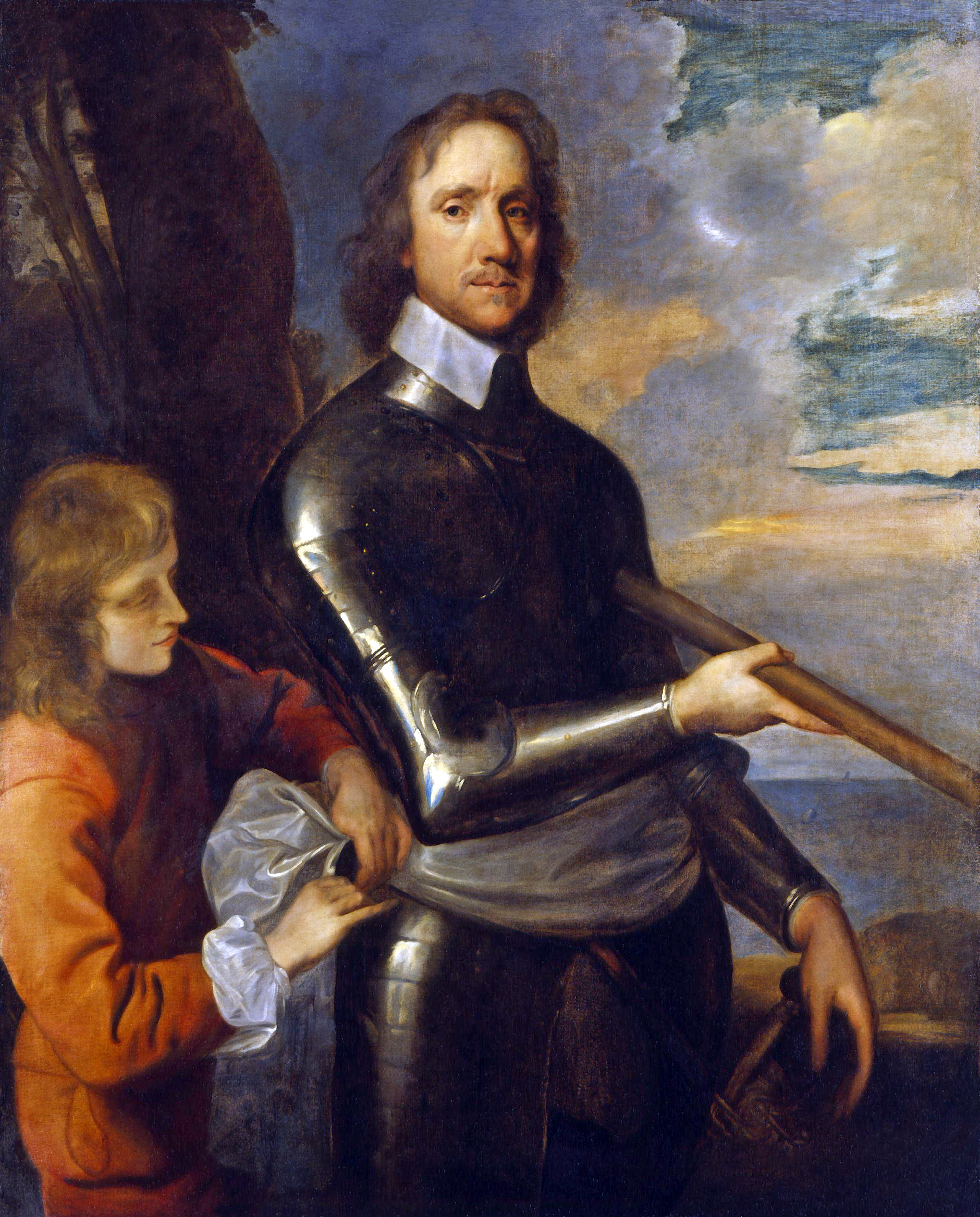
Well, Mr Cromwell, have you come far? From country squire to Lord Protector of England. And that says it all, although our King Charles in this short hasn't got the slightest idea what Oliver is talking about (how could he, since Cromwell got that title only long after the king was executed). I couldn't stop wondering why Cromwell has blond hair here... As seen from the painting from about that time, he was quite dark haired. But of course it is true, Cromwell did come a long way. In fact, as Lord Protector he had more power than kings before him. He was offered the crown but refused. Indeed, the very period was outstanding because nobody really expected that things would go that far. Nobody was ready to govern without a king. It can be argued what Cromwell's intentions were. It is sure that with the king absent, it was only his personal presence that kept things going, and after his death, monarchy was to return quickly. It is also sure that Cromwell did experiment with new forms of government, though eventually he remained in control until his death. This period was full of possibilities which came before their time, and hence they were unbearable sources of uncertainty and instability. As a brilliant tactician, he remained practically undefeated in his life, and it was only after his death that he was "posthumously executed". His head was displayed on a pole in Westminster Hall for several years, and it was only in 1960 that it was finally buried.
Monday, 9 May 2011
Accuracy
A funny account of accuracy from a Yale lecture about Planetary Orbits. It is aimed at non-scientists, explaining concepts. This little bit shows how deceiving numerical accuracy can be, and how it could be played with to impose even psychological influence on us. Perhaps what makes it even funnier is that when accuracy is mention we tend to forget how relative it is (best illustrated perhaps by 7/4=2 with significantly low accuracy)...
Sunday, 1 May 2011
The Edalji Case
It is not uncommon for writers of detective fiction that mystery and/or adventure penetrates their own lives. In 1947, Mary Roberts Rinehart, whose work spawned the detective fiction stereotype "The Butler Did It!", was the target of a murder attempt, though it was not the butler who did it, but the cook apparently jealous of the butler. In 1926, Agatha Christie disappeared for eleven days, apparently as a result of a marriage crisis, though the precise reasons are still disputed. An interesting case for detectives of literary research is that of Edward Lytton Wheeler, whose date of death may be established among others from the change of style in his Deadwood Dick series which went on ghost-written by someone else long after his estimated time of death.

Nevertheless, it appears that Sir Arthur Conan Doyle, the author of Sherlock Holmes, was the one writer who actually investigated a case in a manner worthy of the reputation of his creation. He did not, as Dickens or Balzac did before him, join well-known policemen of his era to learn more of the world of crime. He read the published accounts of a case which made him investigate it. In 1903, several animals were left to bleed to death from a hallow cut to their abdomen by an unknown perpetrator in Great Wyrley in England. The police, under pressure arrested a young solicitor, George Edalji. The person of Edalji, being of Indian descent, fitted in nicely with the local belief that the killings were some sort of a religious ritual, although Edalji himself was Anglican, his father being a vicar. Various pieces of evidence were produced, including a bloody razor as a weapon, a muddy boot, and a shirt with horse hair on it originating from the last animal killed. Threatening letters that were sent to many households at the time also pointed towards him, as he had been considered a suspect in an earlier case of such letters, a suspicion probably motivated by racial prejudice without reason or evidence mentioned. The fact that witnesses swore that they had seen him as one such letter arrived to the Edalji house were ignored in favour of the theory that he wrote those letters to himself. Edalji was sentenced to seven years of hard labour. With his arrest, the letters and killings did not cease. Petitions were submitted for his release which occurred after three years later without specifing the reason. Although free, he could not practice his profession as a convicted criminal. This is when he decided on stating his case in public, which eventually arouse the attention of Conan Doyle.

Conan Doyle investigated the scene personally, and wrote up his findings in the Daily Telegraph. He found that the bloody razor was in fact only rusty; that the handwriting expert hired to establish the identity of the writer of threatening letters had made a mistake in a previous case causing the conviction of an innocent person; that the soil on the muddy boots was of a different type than what may be found at the site of the last killing; and that the shirt was hairy due to the fact that it was wrapped up with a piece of horsehide from the dead animal by the police. Finally, Doyle established that Edalji had severe myopia, a sight deficiency that made it virtually impossible for him to carry out the killings at night and doing all that in secrecy. After his investigation, the Edalji case had to be reconsidered and eventually Edalji was found innocent in the killings but guilty in writing the letters. This latter attempt to save face reportedly angered Doyle, but at least as a result, Edalji could practice again. Much later a man called Enoch Knowles confessed to having sent threatening letters for decades in the area. But the influence of Doyle's investigation was not only beneficial for Edalji alone. His efforts drew widespread public attention to the necessity of scientific methods in investigating a crime scene. Moreover, partially as a result of the case, upon realising that no similar office existed earlier, the Criminal Court of Appeal was created in 1907. It seems safe enough to say that Conan Doyle, whose interests ranged all the way from science to the occult, and whose name is remembered today through his creation, Sherlock Holmes, not only contributed to the world of fictional crime writing but also to the investigation of crimes in the real world.

Nevertheless, it appears that Sir Arthur Conan Doyle, the author of Sherlock Holmes, was the one writer who actually investigated a case in a manner worthy of the reputation of his creation. He did not, as Dickens or Balzac did before him, join well-known policemen of his era to learn more of the world of crime. He read the published accounts of a case which made him investigate it. In 1903, several animals were left to bleed to death from a hallow cut to their abdomen by an unknown perpetrator in Great Wyrley in England. The police, under pressure arrested a young solicitor, George Edalji. The person of Edalji, being of Indian descent, fitted in nicely with the local belief that the killings were some sort of a religious ritual, although Edalji himself was Anglican, his father being a vicar. Various pieces of evidence were produced, including a bloody razor as a weapon, a muddy boot, and a shirt with horse hair on it originating from the last animal killed. Threatening letters that were sent to many households at the time also pointed towards him, as he had been considered a suspect in an earlier case of such letters, a suspicion probably motivated by racial prejudice without reason or evidence mentioned. The fact that witnesses swore that they had seen him as one such letter arrived to the Edalji house were ignored in favour of the theory that he wrote those letters to himself. Edalji was sentenced to seven years of hard labour. With his arrest, the letters and killings did not cease. Petitions were submitted for his release which occurred after three years later without specifing the reason. Although free, he could not practice his profession as a convicted criminal. This is when he decided on stating his case in public, which eventually arouse the attention of Conan Doyle.
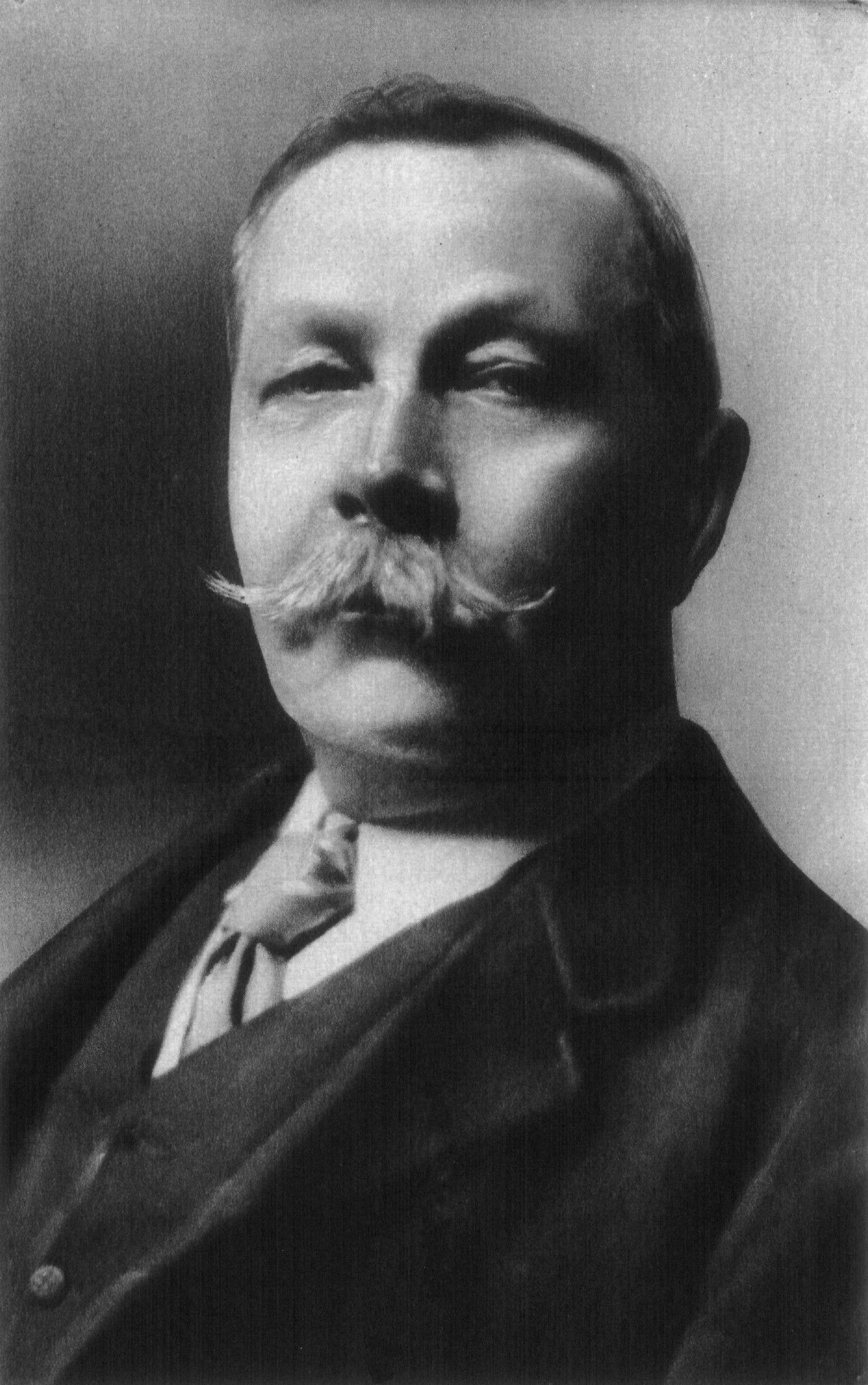
Conan Doyle investigated the scene personally, and wrote up his findings in the Daily Telegraph. He found that the bloody razor was in fact only rusty; that the handwriting expert hired to establish the identity of the writer of threatening letters had made a mistake in a previous case causing the conviction of an innocent person; that the soil on the muddy boots was of a different type than what may be found at the site of the last killing; and that the shirt was hairy due to the fact that it was wrapped up with a piece of horsehide from the dead animal by the police. Finally, Doyle established that Edalji had severe myopia, a sight deficiency that made it virtually impossible for him to carry out the killings at night and doing all that in secrecy. After his investigation, the Edalji case had to be reconsidered and eventually Edalji was found innocent in the killings but guilty in writing the letters. This latter attempt to save face reportedly angered Doyle, but at least as a result, Edalji could practice again. Much later a man called Enoch Knowles confessed to having sent threatening letters for decades in the area. But the influence of Doyle's investigation was not only beneficial for Edalji alone. His efforts drew widespread public attention to the necessity of scientific methods in investigating a crime scene. Moreover, partially as a result of the case, upon realising that no similar office existed earlier, the Criminal Court of Appeal was created in 1907. It seems safe enough to say that Conan Doyle, whose interests ranged all the way from science to the occult, and whose name is remembered today through his creation, Sherlock Holmes, not only contributed to the world of fictional crime writing but also to the investigation of crimes in the real world.
Saturday, 23 April 2011
Witchcraft
Found an interesting piece from Yale Open Courses dealing with witchcraft. It starts off with magic as such, then its maleficent uses in witchcraft and its prosecution. It focuses on the circumstances of English witchcraft trials, but it does summarise nicely those of continental counterparts for comparison. An interesting difference for me was that in England witchcraft was never considered heresy, it was considered a crime. And secondly that such trials were sporadic, there were no systematic witch hunts except for the activity of Matthew Hopkins. These cases were generally reported to courts by people and not spotted by specialised investigators. The course looks for the various reasons why it all happened when it happened, and why of all counties Essex might have been the one where most trials originated. The lecturer even finds time to recommend the film Witchfinder General; I find it respectable if an expert has the ability to find artistic value in a popular adaptation of his expertise that he knows inaccurate from a purely professional point of view.
Kindness vs Politeness
I often feel that the really important things in life depend on small things like the difference between kindness and politeness. Politeness is a way to behave. I don't think there is any special value in it, it is a necessity. Be polite in an argument for example, and if the other is not, the blame will fall on his side even if he has a point otherwise. Thus it may easily be a defence, and a way of keeping distance, which is why it is often so cold. Kindness on the other hand is the luxury of warmth. You don't have to be kind, it is enough to be polite, but if you are, that indeed has a special value. You can make others face up the cruelest of realities with kindness if you so choose, and it does make a difference. But like any luxury, kindness is easier to lose, and quite frequently it will never be returned. It may change your life if it is, and so it may if suddenly kindness freezes into politeness in a relationship. Still, unlike politeness, kindness can never be enforced. Both the lack and enforcement of kindness, or any similar luxury, would spawn emotional beasts of all sorts... It is also true that kindness as a milder emotional excitement comes in waves, it is not and should not be as uniform as politeness may be. Thus, in many long lasting relationships it is the combination of the two that provides longevity, where politeness fills in (and not replaces) the gaps for another wave to come.
Saturday, 9 April 2011
Folk Songs Modernized
It seems I am in a "folk song mood" today. To close down, I wanted to look for a few more modern adaptations, going down on a similar line as with Deep Forest in the previous post, a sort of electro-folk. The band NOX pioneered this domain in Hungary, and "Hej, Dunáról" is one of their first songs. I like the fast spaced flute here... Another one is "Tavaszi szél" (Spring Wind) from Holdviola. This is also a very nice song, and if you want to hear a bit of it performed by Freddy Mercury, have a look at the last video as well. He knew how to win an audience...
Subscribe to:
Posts (Atom)